
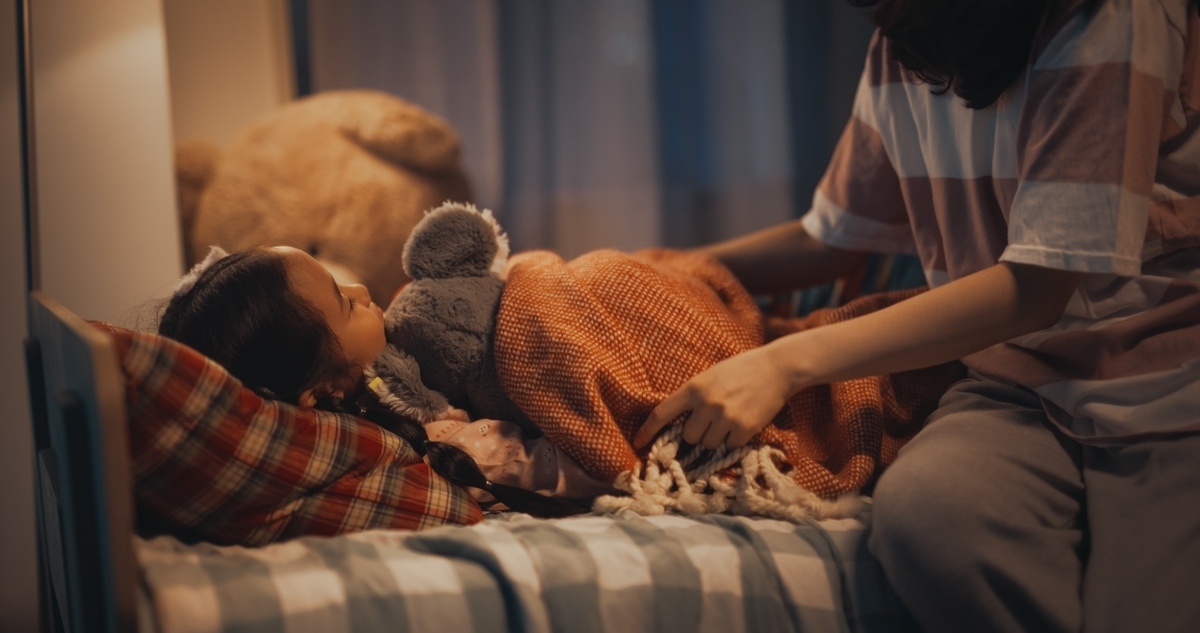
Bedtime can feel like a nightly battle in many homes. Autism sleep problems are one of the most common, and most exhausting, challenges families face.
This guide explains why sleep is often harder for children with autism. It also covers strategies that tend to help, and when it might be worth asking for extra support.
Autism sleep problems are extremely common. Research shows that many children on the spectrum struggle with sleep. This often goes beyond typical childhood sleep troubles.
According to Autism Speaks, sleep problems affect a large share of children with autism. This includes trouble falling asleep, staying asleep, and waking too early.
These are not just bad habits or discipline issues. Many autism sleep problems have real, physical roots. These roots are tied to how the brain regulates sleep.
Melatonin, the hormone that helps control sleep, may work differently in some children with autism. This can make it harder for the body to know when it is time to wind down.
This is a real biological difference, not a matter of willpower. Understanding this can help take some of the blame and frustration out of a hard bedtime. Families managing several daily routines at once can also explore the Pediatrics and OPWDD overview page for broader support options.
Sensory sensitivities also play a role. A scratchy blanket can feel like a big problem at bedtime. So can a ticking clock or light from a hallway.
Anxiety adds another layer. A mind that will not settle can make it hard to fall asleep, even when the body feels tired.
Worries about the next day, or even the dark itself, can keep a child awake. This is common in many children, but it can feel stronger in a child who already struggles with change.
Common signs of autism sleep problems include:
Not every child shows every sign. Some children mostly struggle to fall asleep, while others wake often once they are already asleep.
A few children struggle with both. It helps to notice which pattern fits a child best. The right strategy often depends on which part of sleep is hardest.
These patterns can also shift over time. A child who slept well as a toddler may develop new sleep struggles later, especially during periods of change.
A new school year or a move can disrupt sleep for a while. So can a growth spurt. This does not always mean something is wrong. It just takes time to settle again.
A consistent bedtime routine is one of the most helpful tools for autism sleep problems. The same steps, in the same order, every night can help signal that sleep is coming.
A simple routine might include:
According to PMC research on sleep in children with ASD, using a sleep diary can help identify specific patterns before starting any new routine. This gives a clearer picture of what is actually happening most nights.
The bedroom environment itself matters a lot too. Small changes can make a real difference for a child who is sensitive to light, sound, or texture.
It can help to walk through the room at night, from a child’s point of view. A hallway light, a humming fan, or a scratchy tag might be easy for a parent to miss.
Helpful changes to try include:
Screens before bed can make sleep harder for many children, not just those with autism. The light from a screen can delay the body’s natural signal that it is time to sleep.
This effect is often stronger in children who are already sensitive to stimulation. A bright, fast-moving screen right before bed makes it much harder to wind down.
Turning off screens at least an hour before bed is a common tip. Replacing that time with a calm activity, like a book or quiet play, tends to work better.
This can be a hard change to make at first. This is especially true if screens are already part of the evening routine. Swapping in a new calm activity tends to go more smoothly than just removing the screen.
Melatonin supplements are sometimes used to help with autism sleep problems, always under a doctor’s guidance. This is not something to start without first talking to a pediatrician.
Melatonin is available without a prescription in many stores, which can make it tempting to try on your own. A doctor can still help with the right dose and timing for a specific child.
A doctor can also check for other causes. Sleep apnea, reflux, or other medical issues can sometimes look like a behavior problem when the real cause is physical.
Snoring, gasping, or long pauses in breathing at night are worth mentioning to a doctor. These can be signs of sleep apnea, which is treatable once identified.
The autism support at home guide covers other daily routines that often work well alongside sleep strategies specifically.
Even with a good routine, some nights are still hard. This does not mean the plan failed. Sleep struggles do not disappear overnight, and progress is often gradual.
Illness, travel, or a change in schedule can throw off even a solid routine. Getting back on track is usually easier than starting from scratch.
It may be worth reaching out to a doctor or sleep specialist if these problems are severe or ongoing. This is especially true if poor sleep is affecting a child’s daytime mood or behavior.
Poor sleep can make everything else harder. A tired child often struggles more with communication, learning, and emotional regulation the next day.
A rough night can shape the whole next day. Recognizing this connection can help families see sleep as a real priority, not just a nighttime issue.
A pediatrician can rule out medical causes and, if needed, refer a family to a pediatric sleep specialist.
A sleep specialist may suggest a sleep study in some cases. This is a painless overnight test. It tracks breathing, movement, and brain activity during sleep.
Local families can also look into nearby help. The Autism Support in Brooklyn, NY page covers services close to home for families in that area.
No. Many children do struggle with sleep, but not every child with autism has significant sleep issues.
Melatonin is commonly used, but a doctor should be involved before starting it. Dosing and safety can vary by child.
This varies a lot by child. Some families see change within a couple of weeks, while others need more time and consistency.
Yes. Sensory sensitivities can make ordinary things like blankets or background noise feel overwhelming at bedtime.
It is worth reaching out if sleep problems are severe, ongoing, or affecting your child’s daytime functioning.
Autism sleep problems are common, but they are not something families have to just accept forever. Small, consistent changes often lead to real improvement over time.
Every child responds differently to different strategies. What works well for one family may need adjusting for another, and that is completely normal.
Trying more than one approach before finding what works is common, not a sign of doing something wrong. Sleep, like many things with autism, often takes patience and some trial and error.
Sleep struggles can wear down a whole family, not just the child. Our Pediatrics and OPWDD team can help families find support that addresses routines, behavior, and daily functioning together.
With offices across Brooklyn, Queens, Staten Island, Bronx, Manhattan, and Nassau, our team is here to help families get started with care.
3820 Nostrand Avenue, Suite 106 Brooklyn, NY 11235
1035 Brighton Beach Ave, Suite 1 Brooklyn, NY 11235
95-20 63rd Rd Rego Park, NY 11374
520 Franklin Ave Garden City, NY 11530

Website Designed by IL Webdesign