
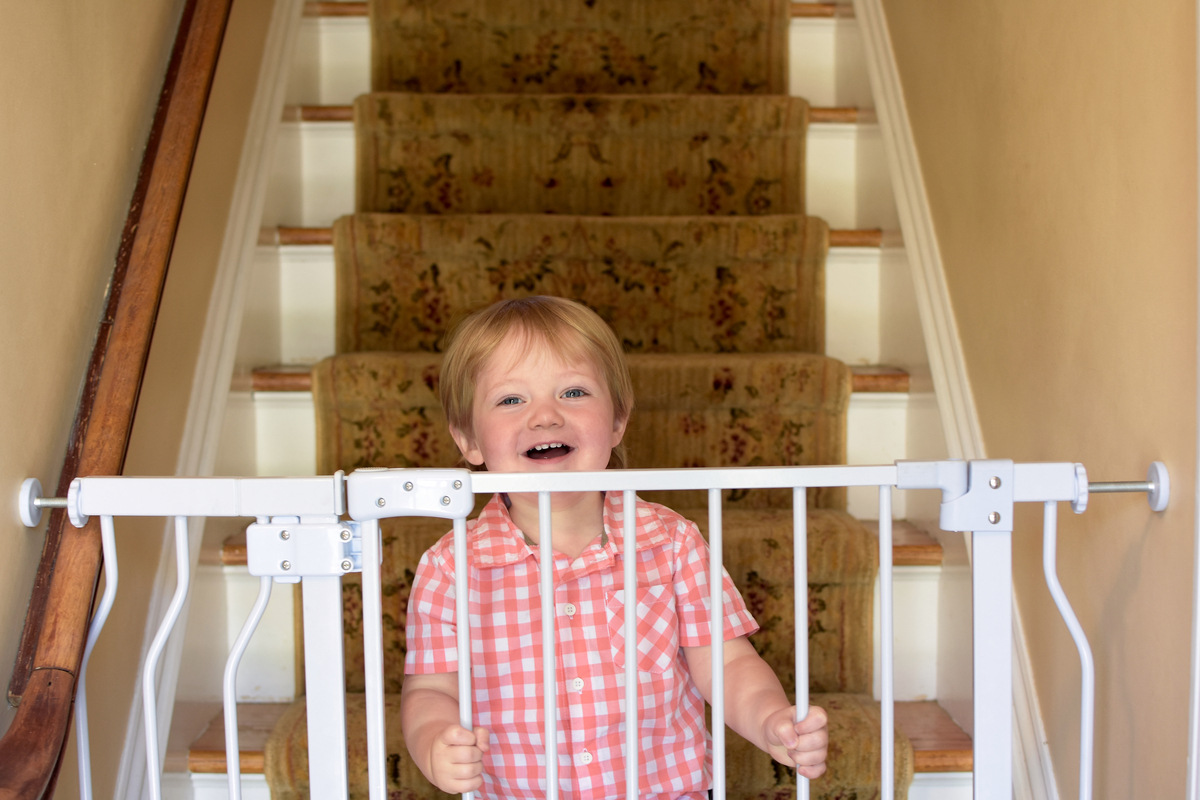
Every parent worries about accidents at home. When a child has special needs, those worries can feel heavier. Standard childproofing tips often miss risks like bolting, climbing, or unusual reactions to noise and touch. Special needs home safety means shaping your home around how your child actually moves, senses, and learns.
This guide walks through each room and covers wandering, sensory needs, and daily habits. It also explains how to plan for emergencies. Many ideas here pair well with this guide on supporting a child with autism at home.
No two children have the same risks. One child may climb every shelf, while another may chew on small objects. A third may not sense danger from hot water or a busy street.
Special needs home safety begins with watching your child for a week or two. Notice what draws their attention and what they avoid. Write down the moments when you had to step in quickly.
Useful questions to ask:
Your answers become your safety list. Start with the risks that could cause the most harm, then work down to smaller ones.
Walk through your home at your child’s eye level. Kneel down in each room and look for what a curious child would reach. This simple step often reveals hazards adults overlook.
A few fixes work in most homes:
Special needs home safety also means thinking about what is easy to break or swallow. Remove small toys, button batteries, and loose magnets. Keep these items in a high, locked box. Check under couches and in corners often, since small objects collect there.
Some children leave a safe space without warning. This is often called wandering or elopement. It can happen fast, even in a home with watchful adults.
According to the Centers for Disease Control and Prevention (CDC), wandering is a real concern for children with developmental disabilities. The agency encourages families to plan ahead. A few early steps can lower the risk.
Practical steps include:
Teach your child safe exits too. Practice a short phrase such as “stop at the door,” and praise them each time they follow it.
Repeat the practice in calm moments, not during a rush. Short, frequent practice works better than long lessons. Use pictures or simple gestures if your child has limited speech.
Many children with special needs react strongly to sound, light, or touch. A noisy, bright home can raise stress and lead to risky behavior. A calmer space can lower both.
According to Safe Kids Worldwide, families of children with special needs can use targeted tips to prevent injuries at home. These tips cover risks such as falls, burns, and tip-overs. Pair them with the sensory changes below.
Small changes can help:
A quiet corner also works as a safe place. A child who feels overwhelmed can go there instead of running or hiding in an unsafe spot. Keep it free of cords, glass, and small objects.
Safe homes depend on routines as much as on locks. Consistent habits help your child learn what to expect. They also help every adult in the house stay on the same page.
Good habits to build:
Special needs home safety is easier when more than one adult helps. Families who need extra hands may look into home health aide services for children with special needs for daily supervision.
Even a careful home needs an emergency plan. A short, clear plan lowers panic when something goes wrong. Share it with everyone who cares for your child.
Plan for fires, falls, and other common risks, and adjust the plan to fit your child. Special needs home safety works best when the plan is written down and practiced.
Your plan can include:
Let your local fire department know about your child’s needs. A quick conversation can help responders act faster and more calmly.
Start with the risk that could cause the most harm, such as an unlocked exit or open stove. Fix that first, then work through the rest of your list. A simple room-by-room walk-through makes the process manageable.
Combine several layers, such as door alarms, high locks, and a clear routine. Tell neighbors and keep an ID on your child. No single tool is perfect, so layers matter.
Many New York apartments have rules about window guards for homes with young children. Ask your building manager or landlord what applies to your unit. Guards add real protection, especially on higher floors.
Parents in Bensonhurst, Sunset Park, Canarsie, and Park Slope can start by asking their child’s care team for local advice. A guide to special needs care in Brooklyn, NY also explains what help may be available nearby.
Review it every few months and after any big change, such as a move or a growth spurt. Children develop new skills quickly. A plan that worked last year may need updates.
A safer home does not happen in one weekend. Most families improve things bit by bit as they learn what works. Each small change adds up to real protection.
Pick one room and one risk to tackle this week. Share your plan with every adult who cares for your child. Over time, special needs home safety becomes part of your daily routine instead of a long to-do list.
No two homes look alike, and you do not have to plan yours alone. The Welcome Care team helps children with special needs and their caregivers throughout New York City. Contact us to talk about what kind of support could fit your household.
With offices across Brooklyn, Queens, Staten Island, Bronx, Manhattan, and Nassau, our team is here to help families get started with care.
3820 Nostrand Avenue, Suite 106 Brooklyn, NY 11235
1035 Brighton Beach Ave, Suite 1 Brooklyn, NY 11235
95-20 63rd Rd Rego Park, NY 11374
520 Franklin Ave Garden City, NY 11530

Website Designed by IL Webdesign