
Many parents hear about ABA therapy early on, often right after a diagnosis. ABA therapy for nonverbal children focuses on building real, usable communication skills. It is not just about reducing behavior.
This guide explains how ABA actually works. It covers the main methods used, how progress is tracked, and how parents can help between sessions.
ABA stands for Applied Behavior Analysis. It is a structured approach. Many children on the autism spectrum use it. It is also backed by real research.
According to the NIDCD, treatment for children with ASD should address both behavior and communication together. It should also offer steady reinforcement of positive actions.
ABA therapy for nonverbal children is not one single technique. It is a broad approach built from many smaller, specific strategies. A trained therapist chooses which strategies fit a child best.
Many people picture ABA as strict or repetitive. In practice, good ABA therapy is flexible. It adjusts to a child’s pace and interests. It also adjusts to a child’s current skills.
The ABA Therapy page covers how these sessions are typically structured. It explains what a first session often looks like for a new family.
Communication is one of the most common goals in ABA therapy for nonverbal children. This makes sense. Communication touches almost every part of daily life.
A child who cannot express needs often shows frustration in other ways. This might look like crying or hitting. It might also look like a full meltdown.
Teaching a reliable way to communicate can lower this frustration. It gives a child another option besides acting out a feeling physically.
Over time, this shift can change a lot at home too. Fewer communication breakdowns often means calmer days for the whole family, not just the child.
This does not always mean spoken words right away. Many children build skills slowly. Some start with just a single gesture or sound.
Positive reinforcement is one of the core tools used in ABA therapy for nonverbal children. It means rewarding a behavior right after it happens. This makes that behavior more likely to happen again.
A few common examples of reinforcement:
Reinforcement works best when it happens quickly. Waiting too long after the behavior weakens the connection a child is trying to build.
This is why timing matters so much in early sessions. A reward given seconds too late may not connect to the right behavior in a child’s mind.
Every child responds to different rewards. What motivates one child may not motivate another. Therapists often spend real time figuring out what a child finds rewarding.
This process is not guesswork. Therapists often test a few different rewards early on to see what actually works for that specific child.
A reward that works one week may lose its appeal the next. Therapists often rotate rewards to keep a child engaged and motivated over time.
Big skills rarely get taught all at once. ABA therapy usually breaks a large goal into much smaller, more manageable steps.
For example, teaching a child to request a snack might look like this:
Each smaller step builds toward the next one. A child does not need to master spoken language before making real progress.
This step-by-step approach reduces pressure. A child can succeed at each small stage. That feels much better than getting stuck trying to reach one big goal all at once.
Many ABA programs start with something called “manding,” which simply means requesting. This is often the very first communication skill taught in ABA therapy for nonverbal children.
Requesting is powerful because it has a clear payoff for the child. Asking for a toy and then getting that toy teaches a direct cause and effect.
This early success tends to build motivation. Once a child sees that communication actually works, they often become more willing to try it again.
Small wins like this can shift a child’s whole outlook on communication. It starts to feel useful instead of confusing or pointless.
Later stages build on this foundation. Skills like naming objects and answering questions usually come after requesting is well established. A back-and-forth exchange often comes even later.
This order matters. Building basic requesting first gives a child an early win. That early success often makes the harder skills feel more achievable later on.
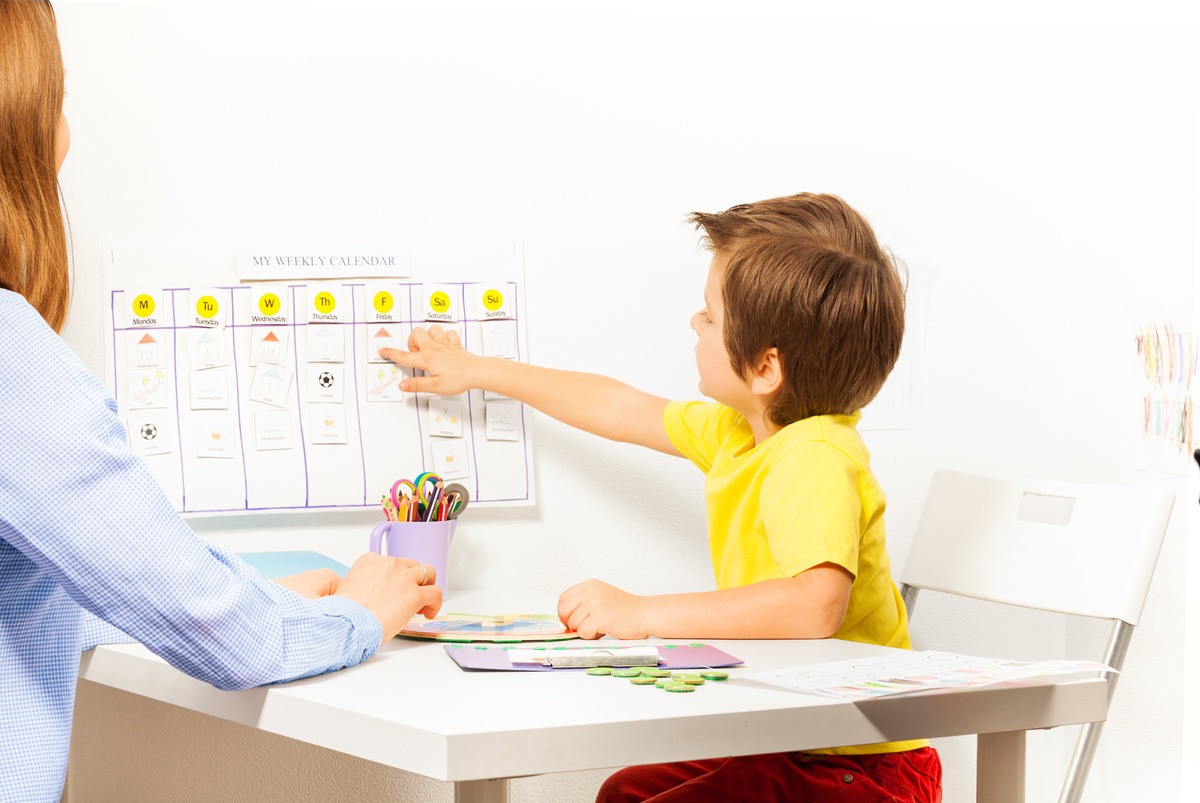
Visual supports are a common part of ABA therapy for nonverbal children. These include picture cards and visual schedules. They also include other tools that do not need spoken words.
Picture Exchange Communication, sometimes called PECS, is one well-known example. A child hands over a picture to make a request instead of speaking.
According to AppliedBehaviorAnalysisEDU.org, meeting a child where they are tends to work well. This can mean using gestures, imitation, and play. It often works better than pushing spoken words before a child feels ready.
Families whose child already uses an AAC device often combine that tool with ABA sessions. The speech therapy evaluation guide covers how these communication needs are typically assessed in the first place.
Using AAC and ABA together is common, not unusual. The two approaches often support each other rather than compete for a child’s attention.
This combined approach often gives a child more than one way to succeed. If one method feels hard on a given day, the other is still available.
ABA therapy relies heavily on data. Therapists track specific skills closely, session by session. They do not just rely on general impressions.
This tracking helps answer a few key questions:
Parents can ask to see this data at any time. Most therapists are glad to walk through the numbers. They can explain what the numbers mean in plain language.
Asking to see this data regularly is a good habit. It helps parents stay informed and gives them a chance to ask questions early, not just at a yearly review.
Progress in ABA therapy for nonverbal children is rarely a straight line. Some weeks show clear gains. Others feel more like maintaining current skills.
Consistency between ABA sessions and daily life makes a real difference. Families play a genuinely active role in reinforcing what happens in therapy.
A few ways parents often support progress at home:
It also helps to celebrate small wins. A single new gesture or sound might seem minor. Each one is still a real step forward.
No. Communication is one of the most common goals in ABA therapy, alongside behavior and daily living skills.
Some children do develop spoken language over time. Others build strong communication using gestures, pictures, or devices instead.
This varies by child. Some families notice small changes within weeks, while others take longer to see meaningful gains.
Yes. Many children use AAC alongside ABA, and the two approaches often reinforce each other well.
Yes, ideally. Consistency between therapy sessions and home life tends to lead to stronger, faster progress.
ABA therapy for nonverbal children is not about forcing speech. It is about building real, working ways to communicate. Whatever form that communication takes still counts.
Every child’s path through therapy looks a little different. Progress often comes in small, steady steps, not sudden breakthroughs.
Families in Queens looking for local, hands-on support can also check the Nonverbal Support in Queens, NY page for services available closer to home.
ABA therapy works best as part of a fuller support plan. Our Pediatrics and OPWDD team can help families understand how ABA fits alongside other services their child may need.
With offices across Brooklyn, Queens, Staten Island, Bronx, Manhattan, and Nassau, our team is here to help families get started with care.
3820 Nostrand Avenue, Suite 106 Brooklyn, NY 11235
1035 Brighton Beach Ave, Suite 1 Brooklyn, NY 11235
95-20 63rd Rd Rego Park, NY 11374
520 Franklin Ave Garden City, NY 11530

Website Designed by IL Webdesign